
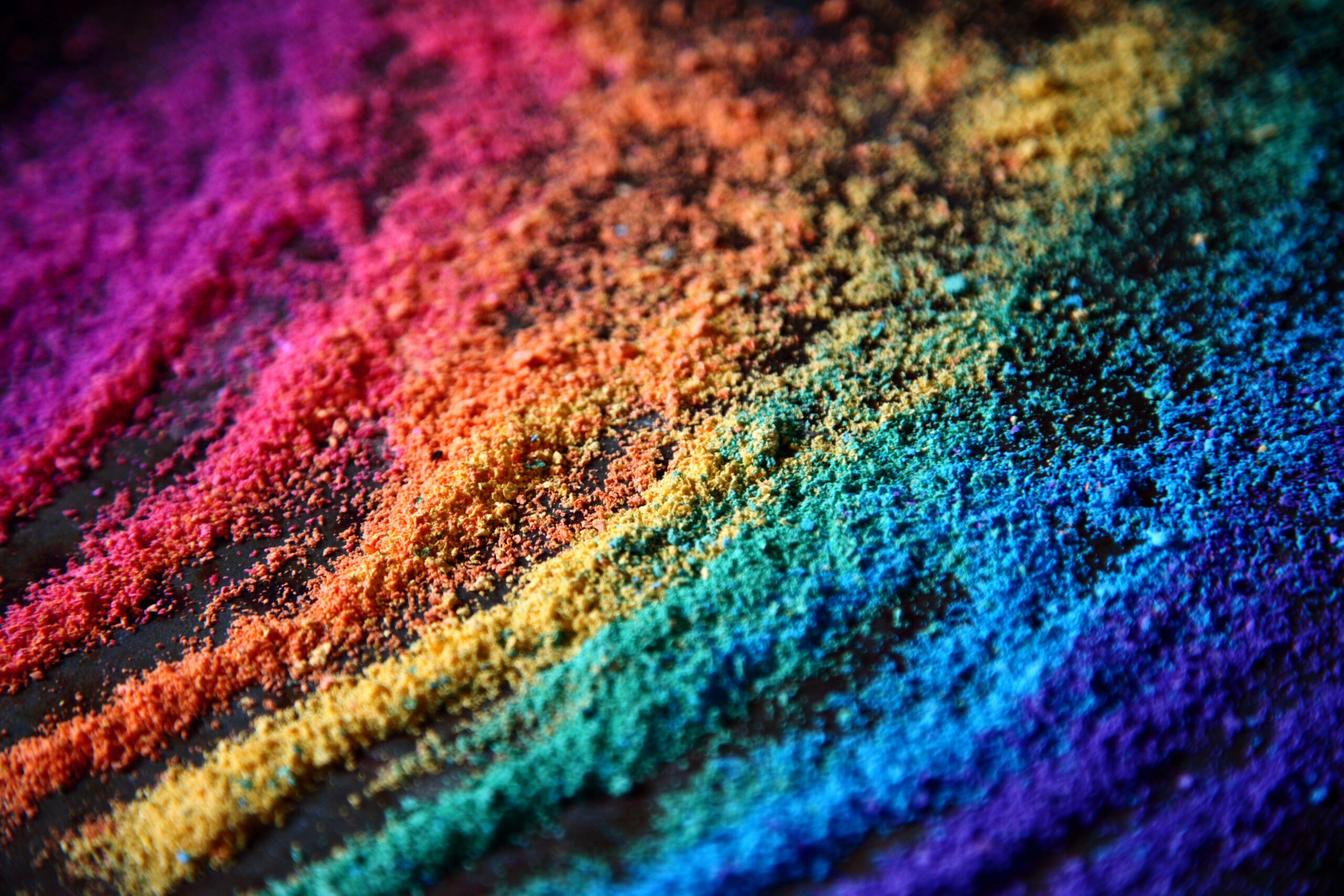
Getting the color right is one of the hardest parts of tattooing. An artist can pick the perfect shade, mix it carefully, and still find that the healed tattoo looks different from what they saw during the appointment. Skin changes the way ink looks, colors soften as they heal, and sunlight can gradually affect the result.
For a long time, that was simply part of tattooing. But as the industry becomes more technically advanced, there is growing interest in making pigments more predictable.
Today, ink manufacturers are paying closer attention to how pigments behave — not just how bright they look in the bottle. Things like pigment particle size, formulation, stability, and consistency between batches can all affect the final result. The goal isn’t necessarily to create more colors. It’s to make the colors artists already use behave more reliably.
This becomes especially noticeable with lighter and more delicate shades. Pastels, soft reds, muted greens, and pale blues can look very different once they settle into the skin. Even the same pigment can appear differently from one person to another because skin tone acts almost like another layer of color.
That means choosing ink is becoming a more considered part of the tattooing process. Experienced artists already know that a color that looks perfect on a printed reference or inside an ink bottle may need to be adjusted for a particular client’s skin. Better pigment technology could make those decisions a little easier.
There is also more attention being paid to quality control. Modern tattoo inks are increasingly being tested for things such as pigment purity, stability, contamination, and consistency. These may sound like small technical details, but they matter when an artist needs the same color to perform consistently across different tattoos and over time.
Of course, no pigment can completely remove the unpredictable side of tattooing. Every person’s skin is different, and healing will always play a role in the final result. A tattoo isn’t a digital print — it becomes part of living, changing skin.
That’s why the future of tattoo ink probably isn’t about making color perfectly predictable. It’s about giving artists more control and a better understanding of what will happen after the needle leaves the skin.
And that could be one of the most useful innovations in tattooing: not more extreme colors, but better, more reliable ones.